
Charities and social impact
Education and research


Client
Brother Sewing Machines Europe
Date
2026
Sector
Services
How we helped Brother Sewing Machines Europe connect its existing systems, replace manual processes and manage dealers, product information and marketing across multiple European markets.
Roné Auret – General Manager Marketing, Brother Sewing Machines EuropeOur new one-in-all system, thoughtfully curated by Telescopic, is not only saving a lot of “wasted” manpower, but also having to maintain separate systems and manual work. Instead of multiple platforms and logins, we can manage from one central point. Streamlined, efficient, easy to use.
Worth a read if: your dealer and customer information is in one system, but someone still has to update a spreadsheet to keep the website accurate, and changing how your website works means going through a central IT team.
What we did: we connected BSME’s existing systems and replaced manual processes, bringing dealer and customer information into Microsoft Dynamics and marketing assets into SharePoint, with a custom portal working alongside the current website.
Why we did it: replacing BSME’s existing systems wasn’t an option, but a small marketing team was managing dealers, newsletter signups and product registrations across separate databases, spreadsheets and markets that each had their own way of doing things.
The result: BSME’s marketing team has control over everyday tasks that used to depend on manual workarounds and IT support, while dealers and customers across Europe get the right product information and marketing for their market.
The ongoing benefits: the setup can grow with new markets and requirements without another costly rebuild, giving the marketing team control that lasts beyond the project rather than a fix that needs replacing in a few years.
BSME sells sewing machines through independent dealers across Europe, while also marketing directly to the people who buy and use its products.
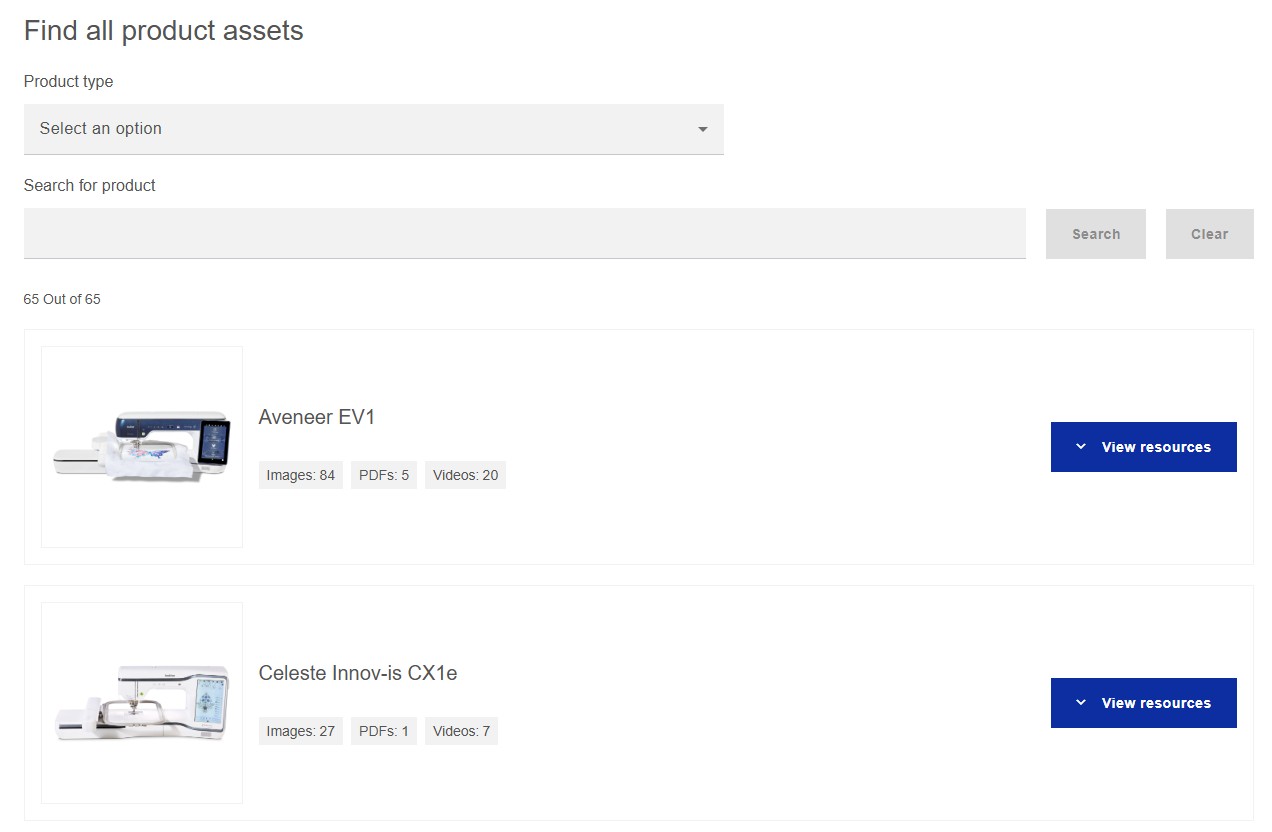
Dealers need product images, brochures and marketing materials. Customers register their machines and sign up for newsletters. Different countries need different languages, and not every dealer is authorised to sell every product.
Over time, separate systems and spreadsheets had developed to manage all of this information.
Dealer details were already held in BSME’s enterprise systems, but they were also being maintained separately for the website’s dealer locator. Product registrations generated customer information that then needed manual processing, including adding people to the newsletter database.
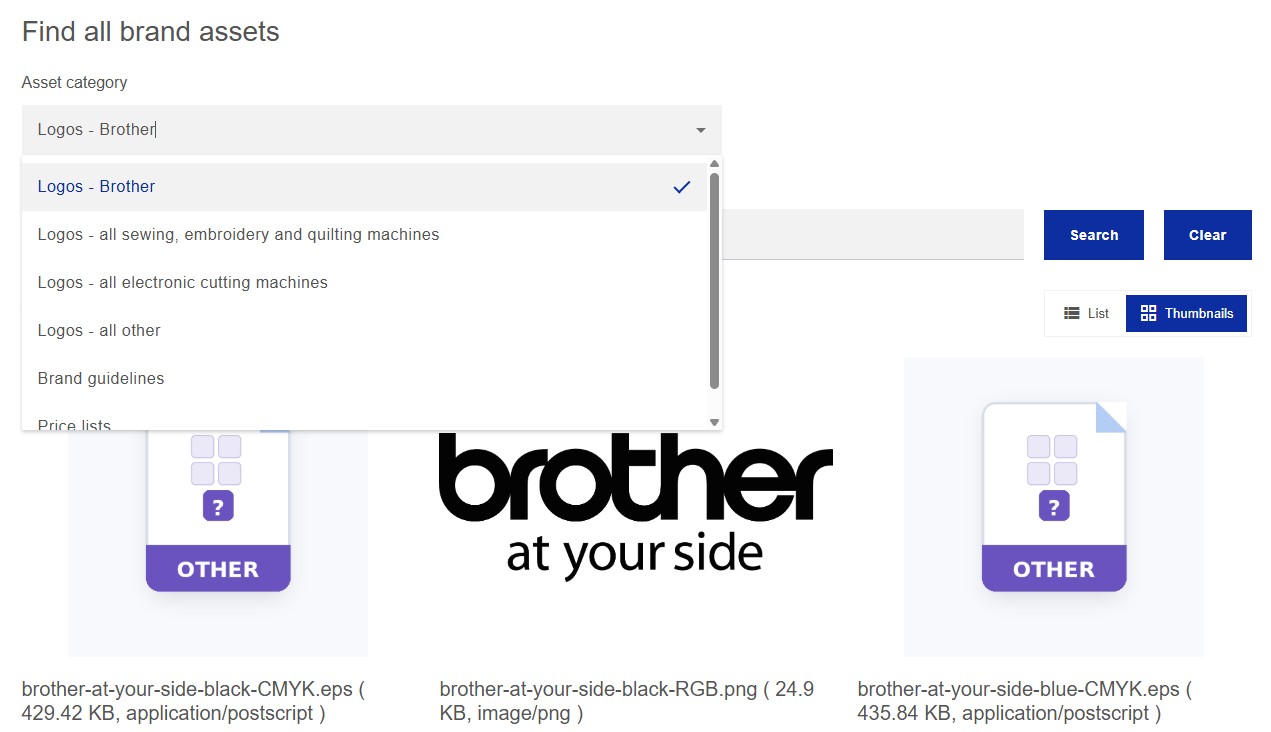
Marketing assets were another problem. Files were stored in different places and shared through an older partner portal, internal drives or external file-sharing tools.
And giving people access wasn’t straightforward. A dealer in one country shouldn’t necessarily see the same products or materials as a dealer somewhere else. Some dealers have access to particular product ranges, while others don’t. Suppliers might need a set of campaign images without being able to see everything intended for dealers.
On their own, these problems were nothing unusual. Stack them up, though, and you get loads of admin and accurate data that relies on someone’s memory on a busy Friday afternoon.
BSME is part of a much larger international organisation, with established enterprise systems, central IT responsibilities and security requirements.
Those arrangements exist for good reasons. But they also mean that a relatively small change for the European marketing team can depend on other departments, approval processes and technical work that sits outside their control.
Which isn’t unusual in manufacturing. Your marketing team might need a better way to share product information with dealers, but replacing the company ERP or website isn’t exactly a realistic starting point.
We mapped the existing systems and processes, identified where information was being duplicated and designed a new hub that could work alongside the technology BSME already used.
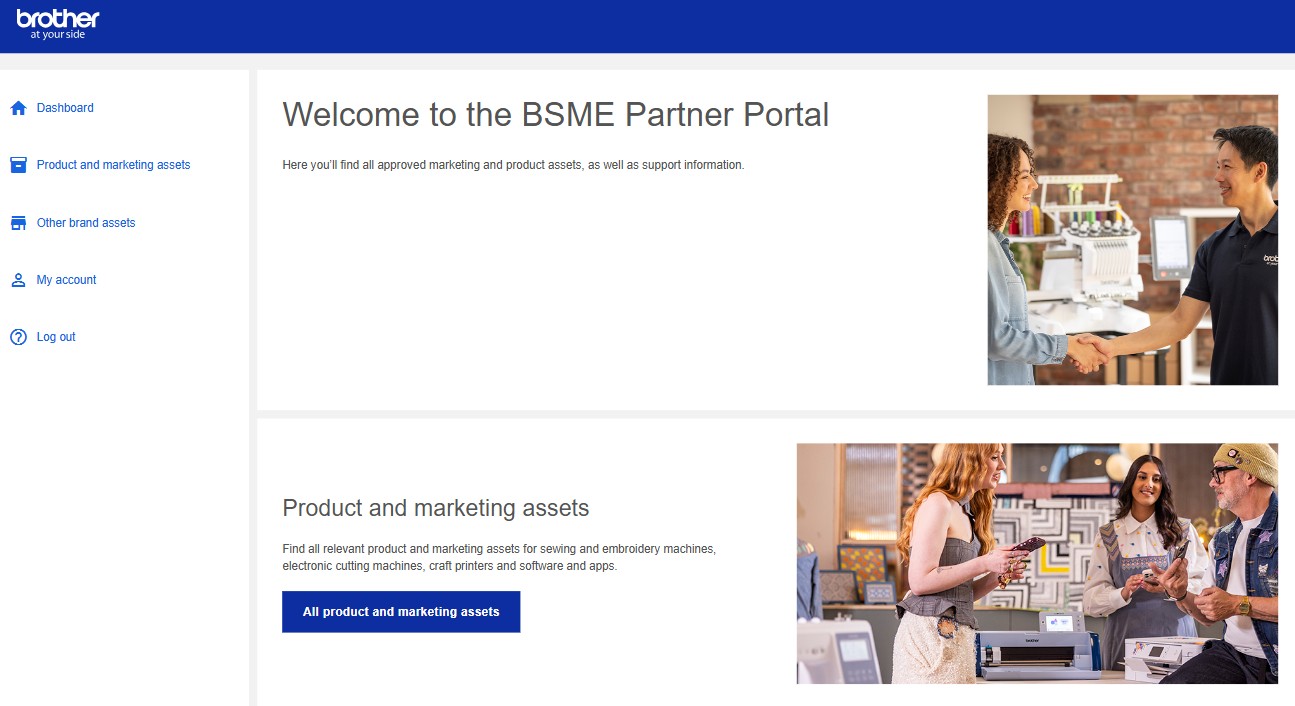
Microsoft Dynamics would handle customer and dealer information, with SharePoint managing the files and marketing assets. We developed a custom portal and integrations to give different users access to what they needed.
We also had to account for the practical reality of working with enterprise systems. Access to some existing data and integrations took longer than expected, so we adapted the delivery plan and separated functionality into phases rather than making everything depend on one integration being ready.
The aim was to give BSME’s team a way to manage information without constantly moving it between different places.
Managing who could see which product information and marketing materials was one of the trickiest parts of the project.
Picture a dealer in France. They need French marketing materials for the products they’re authorised to sell, but they shouldn’t see a machine sold in another market or assets meant for premium dealers. Add distributors, suppliers, different product ranges and dealers working across several countries, and a simple dealer login falls apart fast.
Working through the requirements with BSME, we built a permissions model that looks at someone’s organisation, account type, markets and product ranges, along with premium dealer status and individual product exclusions. Files show up in the right language for each market, and an asset covering several products needs uploading once rather than repeatedly. The language someone picks for the portal doesn’t decide which files they see either, as that comes down to their organisation’s authorised markets and products. All of this runs through the portal, connected to Dynamics and SharePoint.
Someone downloading a brochure will never notice any of this. They just find the right files. For the team managing thousands of assets across different users and markets, it’s the difference between a portal they can rely on and one that needs constant fixing.
We also tackled the manual work involving dealer information and the public dealer locator.
BSME already held dealer records in its enterprise systems. The problem was that this information wasn’t automatically available everywhere it was needed, so people were maintaining separate versions.
The longer-term objective was to connect that information directly rather than rely on spreadsheets and repeated manual updates.
Getting access to the existing data involved dependencies on corporate infrastructure and internal IT processes. We developed a phased approach so the dealer functionality could progress while the remaining integrations were worked through.
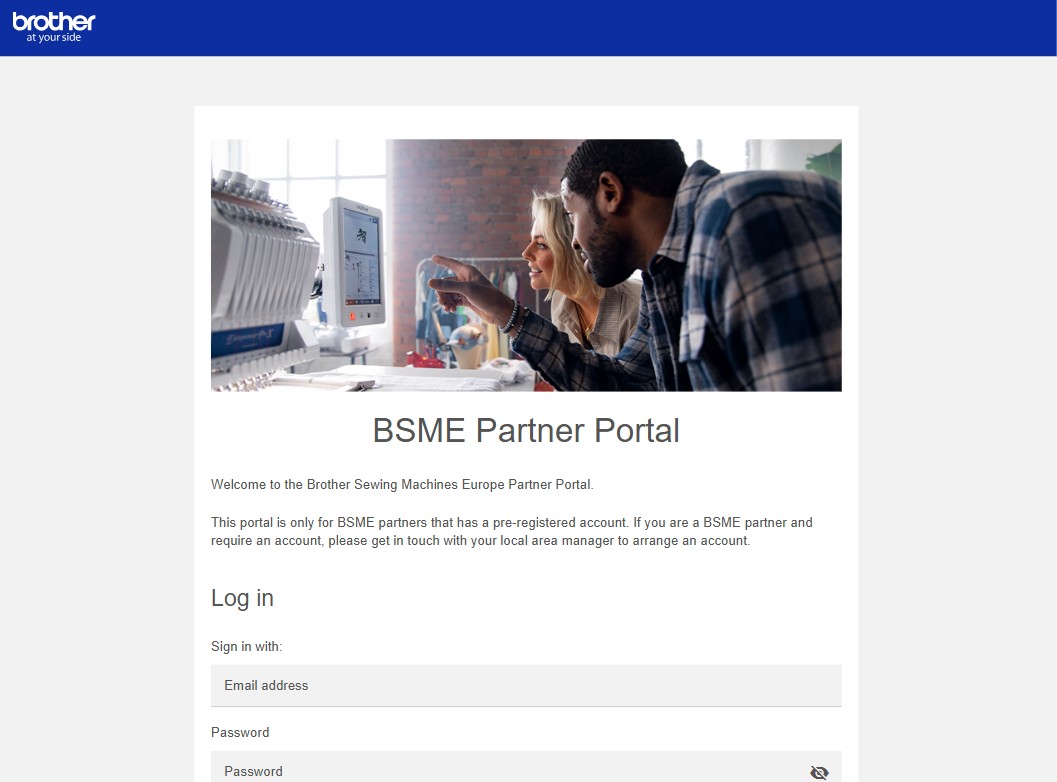
The existing website stayed in place. We built the new functionality to work alongside it, avoiding the need for a much larger website replacement project. This also gave BSME’s European marketing team more control over its own processes. Managing users, product information and marketing resources no longer had to mean requesting development work on the corporate website every time something changed.
We weren’t trying to bypass central IT or replace its responsibilities. We were creating a way for the marketing team to manage the things it was responsible for, within the wider organisation’s technical and security requirements.
BSME’s newsletter signups sat in one database, while customer details from product registrations were collected somewhere else. The same customer could appear in both, which made it hard to respect their marketing preferences or send them anything relevant to the machine they owned.
We brought newsletter and customer information together in the Journeys app within Dynamics 365 Customer Insights, set up around BSME’s European markets. That’s where things got complicated again.
Take Belgium. A customer there might register their machine in French but want marketing in Dutch, having bought it from a dealer who works across several countries. Switzerland adds more official languages and more cross-border dealers. Then there’s consent. Agreeing to emails in French doesn’t mean someone wants everything aimed at the French market, as country, preferred language, product ownership and consent are separate details the system must keep apart.
Sending the right message to the right customer sounds easy. Doing it across Europe without dozens of separate lists and manual workarounds is another story. We built the rules for regions and languages within Dynamics, with consent handled alongside the customer and product information that makes BSME’s emails more relevant.
These marketing preferences are also separate from dealer permissions. A dealer’s authorised products and markets stay the same when someone switches the portal language, and getting those distinctions right was a big part of the work.
Today, BSME’s marketing team has a central system for managing dealer access and sharing relevant product and marketing materials, with much more detailed control over who can see what.
Instead of maintaining multiple copies of the same assets or manually working out which materials to send to which dealer, the system can apply rules based on the dealer’s organisation, market, product access and account type.
We’ve also addressed the disconnected processes around dealer information and developed the structure for bringing customer registrations and marketing communications together. Some of the work has required phased releases and further refinements as requirements developed, particularly around enterprise integrations and the detailed permissions rules.
But the important point is that BSME has been able to make substantial changes to the way its European operations work while keeping its existing corporate systems and website.
The marketing team has more control over the processes that previously depended on spreadsheets, disconnected tools or requests to other departments. And the new setup can be developed further without having to start again every time a requirement changes.
Your organisation probably has decent systems: an ERP, a CRM, a website, maybe a dealer portal and a few other platforms picked up over the years. However, your team still copies information between them, and nobody’s sure which spreadsheet holds the latest dealer details. Then someone suggests replacing the lot.
Thing is, a new system still has to work with everything else, and it’ll pick up its own quirks soon enough. You need support to work out where information gets stuck and which system should own it, making sure people can stop reaching for spreadsheets.
That’s what we did with BSME, working with the systems they already had rather than ripping them out. After all, there’s not much point replacing an expensive enterprise system if someone’s still copying data out of it into Excel.
If that sounds like your setup, get in touch and tell us where your information gets stuck.